
Your Brand is the Moat
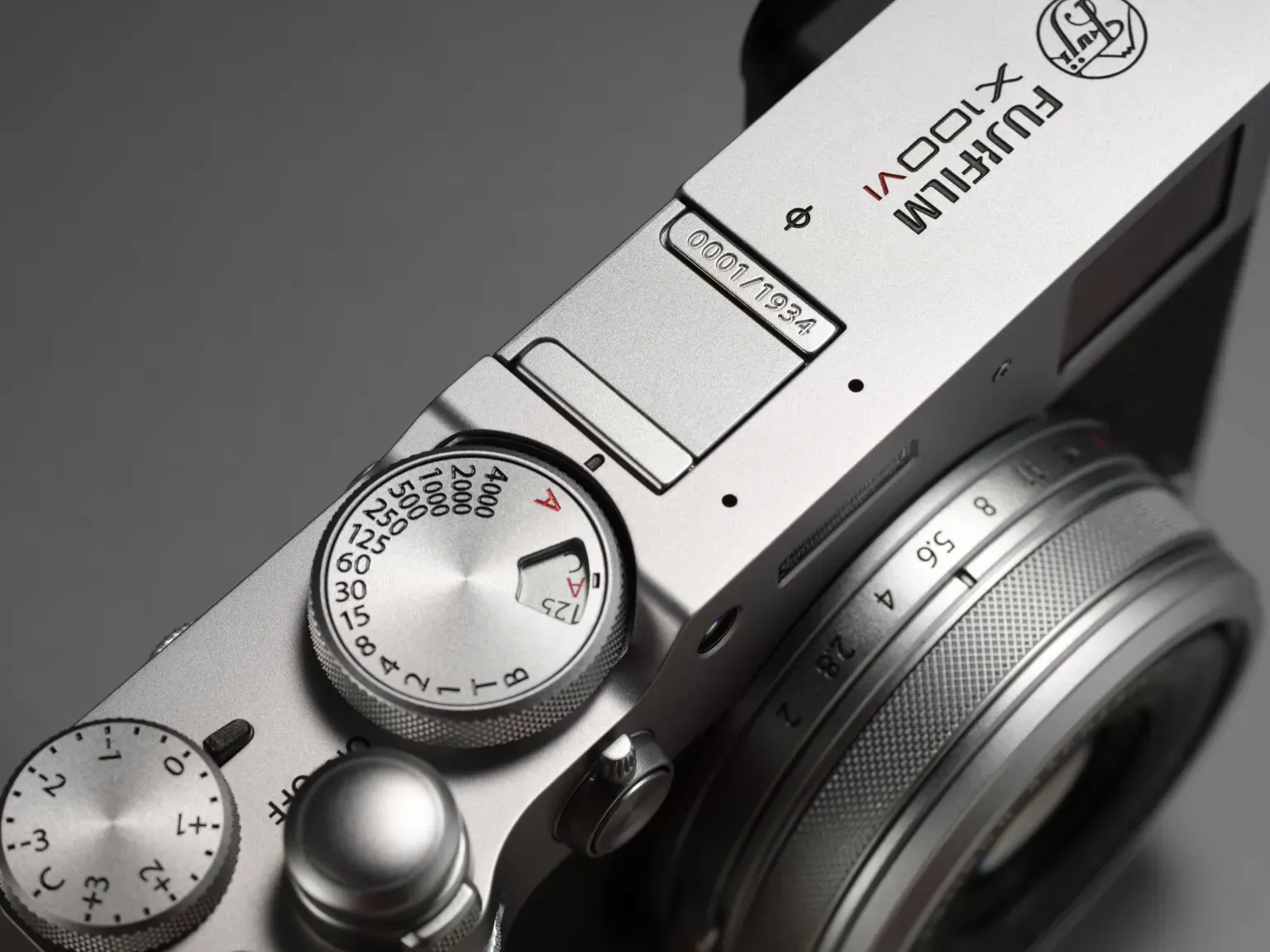
Some of you might know that I’m a photographer, and a huge fan of Fujifilm equipment in particular. There's a reason for this. Fujifilm has built one of the strongest brands in camera equipment, and the way they’ve done that has created a moat that keeps their larger competitors at bay.
Fujifilm’s imaging division posted another strong quarter, and on the earnings call someone asked the obvious question (starting p. 27): If the growth is in entry-level and compact cameras, what stops Canon, Sony, or Nikon from building competing bodies and eating that segment?
Yamamoto, the GM of the Imaging division, gave an answer that’s more interesting than it first sounds. He credited APS-C focus, film simulation technology, and lens design, then said the real advantage is “more than a decade of brand building” that competitors can't replicate on a product cycle. Fujifilm’s own framing treats brand as one ingredient alongside the technical ones. I think that undersells it. When we look closer at the other two ingredients, they're really all branding at their core.
Take color science. Every manufacturer has proprietary color rendering. Fujifilm isn't unique in having good color science. What they did differently is to give it a compelling narrative. By calling it a “film simulation”, they repackage a generic capability as a curated set of choices tied to actual analog film stocks with real photographic history behind them: Velvia, Provia, ACROS. A Sony shooter adjusts a picture profile in post-production. A Fuji shooter picks Velvia on the camera because they know what Velvia means, or they learn what it means because Fuji told a story about it. Same underlying technology, completely different relationship with the photographer.
The sensor size is a similar story. Yamamoto frames their focus on the APS-C format as a strategic focus, and it is, but it’s a precondition, not a moat. Nothing stops Canon or Sony from repositioning their entry-level APS-C bodies as prosumer or pro tools within a product cycle if they decide the segment is worth it. The niche for smaller sensors (and hence smaller cameras) is currently underserved by the big three manufacturers, but “underserved niche” is an opportunity window, not a defensible moat. What actually makes it hard to follow Fujifilm into that niche isn’t the sensor format. It’s that Fujifilm has spent a decade telling APS-C shooters they’re buying a fully-functional product, not one stripped of features as a stepping point into a more expensive a full-frame system. The smaller sensor (and the consequent smaller cameras and lenses) is the entire point, where everyone else’s APS-C lines exist solely to funnel customers upward. Reversing that story in photographers’ minds would take a lot longer for the incumbents than changing a product roadmap.
So the earnings-call answer names three strengths but really has one. FujiKina community events, the House of Photography shops that showcase customers’ photos, film simulations as brand narrative, the elevation of APS-C as more than a starting point, all of it is part of the same decade-long project of building a relationship with a specific kind of photographer rather than a specific kind of technology. The technology is the excuse to have the conversation. The brand is the reason customers participate in the conversation.
Comments